Why Soft Cases Become Sticky
A soft phone case can feel smooth and comfortable when it is new. Months later, its edges may begin to grab at your fingers, collect lint, or leave an unpleasant residue. The first reaction is often to blame the material. But “sticky” describes a sensation, not a diagnosis.
What you feel may be a layer of skin oil and dirt on the surface. It could be a coating that has changed, or the case material itself may be aging. Those problems call for different responses. Knowing the difference helps users care for a case and helps wholesale buyers ask better questions about materials and quality.
Start With the Surface, Not an Assumption

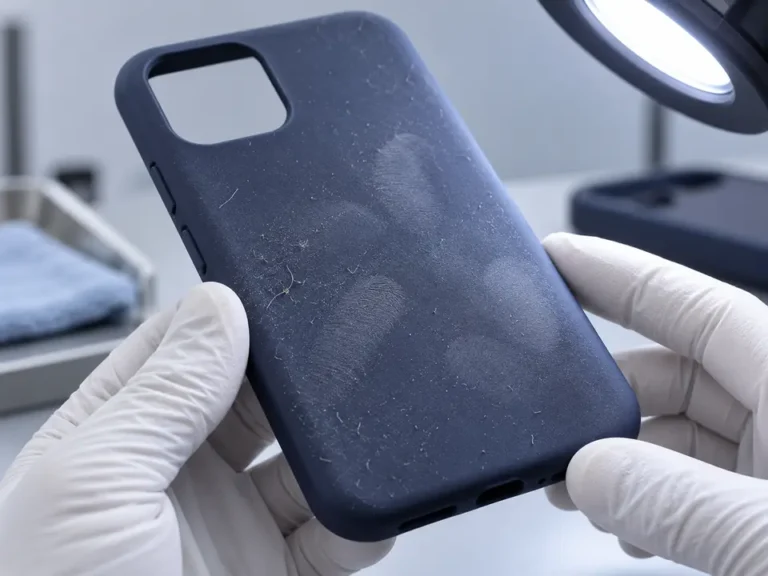
Phone cases spend hours in hands, pockets, bags, and on desks. Skin oils, hand cream, sunscreen, food residue, and household dirt can build up on them. A textured or soft-touch surface may hold that residue where a smooth, hard surface would be easier to wipe.
This kind of stickiness is often uneven. The area where you grip the phone may feel tacky while the inside of the case still feels normal. A patch near the lower edge may collect lint after the case has been carried in a pocket. Those patterns offer clues, although they cannot identify every substance on the surface.
Remove the phone and clean the case according to the case maker’s instructions. For some silicone and clear cases, gentle cleaning with a soft cloth, warm water, and mild soap is appropriate. Let the case dry as directed before reinstalling it. If the normal feel returns and stays, surface buildup was a likely contributor.
A Soft-Touch Coating Can Change Before the Case Does
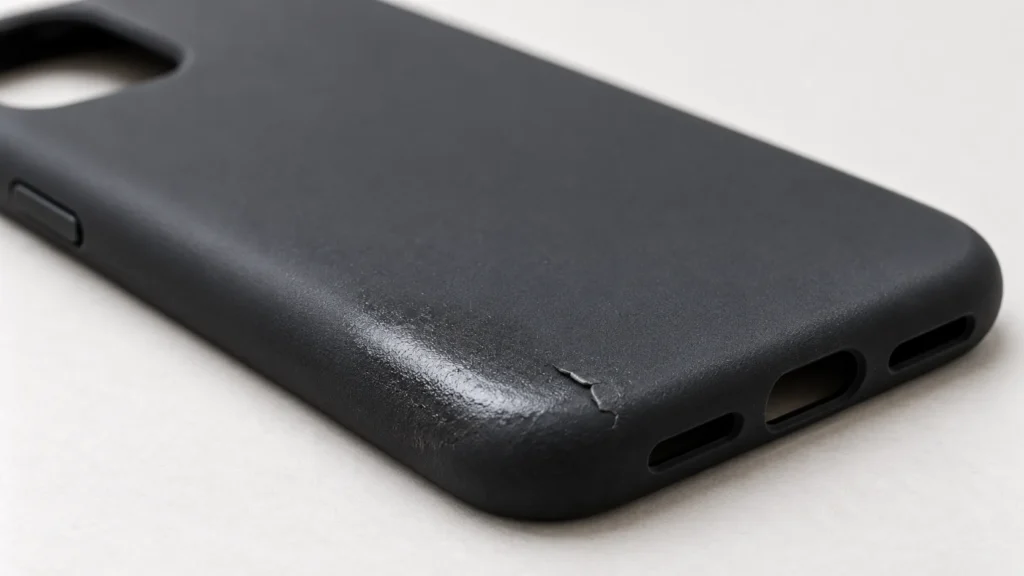
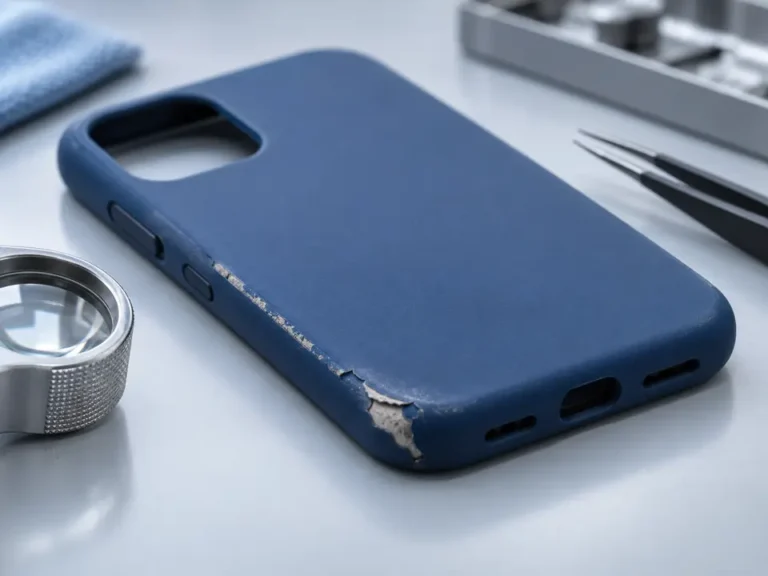
Some cases get their feel from a surface finish rather than from the main body material alone. A coating may make a rigid shell feel velvety or give a flexible cover a particular texture. Over time, the finish can wear or change in areas that experience frequent handling.
One sign is a patchy difference between high-contact areas and protected areas. The back may feel tacky where a finger rests, while an area near the camera feels unchanged. If the finish is peeling, rubbing off on a cloth, or remaining sticky after suitable cleaning, the problem may lie in that surface layer.
Do not assume that a strong solvent is the answer. It may remove or damage the finish, alter the color, and leave a worse surface behind. A case with a deteriorating coating is usually better replaced. For product buyers, the lesson is to test the finished, coated case through handling and aging checks, not just the uncoated material.
Soft Materials Do Not All Age the Same Way
“Soft case” can describe silicone, thermoplastic polyurethane (TPU), other flexible plastics, or combinations of materials. Each has its own formulation. Even within TPU, chemistry and additives can vary to achieve different levels of flexibility, clarity, and resistance to heat or moisture.
Environmental conditions can affect how some formulations perform. Material supplier Covestro notes that certain flexible polyester-based TPUs can be susceptible to hydrolysis under high heat and humidity, while other grades are designed for stronger resistance. That does not mean every TPU phone case becomes sticky through hydrolysis. A supplier needs to know the actual grade and examine the product before naming the cause.
This distinction matters when two cases look alike but age differently. A color, coating, or material change can alter the result. A broad material label is a starting point for investigation, not a complete explanation for the feel of a finished case.
Heat, Sunlight, and Storage Conditions Matter
A phone case may sit on a sunny windowsill, inside a hot parked car, or near a warm charger. Heat and light can speed up changes in some materials and finishes. Humidity can matter for certain formulations as well. The exact effect depends on the case’s construction and how long it is exposed.
Storage before sale is part of the story. A case kept for an extended period in unsuitable conditions may reach the customer with less useful life ahead of it. Packaging protects against dust and handling, but it cannot undo damage that has already occurred to the material or coating.
Keep cases away from prolonged direct sunlight and excessive heat, following the maker’s guidance. If a case feels tacky straight out of the package, document its model, color, batch, and storage history. Comparing it with another sample from the same lot can help a supplier see whether the issue is isolated or repeated.
How to Tell Residue From Material Change
Start with a simple check. Is the tackiness limited to the spots you touch most, or is it present across the whole case? Does gentle, approved cleaning remove it? Does the surface look cloudy, peel, shed color, or leave residue on your fingers? These observations are more useful than the word “sticky” on its own.
If the case feels normal after cleaning but becomes tacky again with use, regular surface buildup may be involved. If the feel persists immediately after cleaning, especially alongside cracking, peeling, or permanent discoloration, a change in the coating or material becomes more likely. Neither pattern proves a specific chemical mechanism without further examination.
Check the inside as well as the outside. Before reinstalling the phone, make sure no residue or loose particles remain against the device. If a case leaves material on the phone or its finish is breaking down, stop using it and replace it.
What Should Buyers Ask a Supplier?
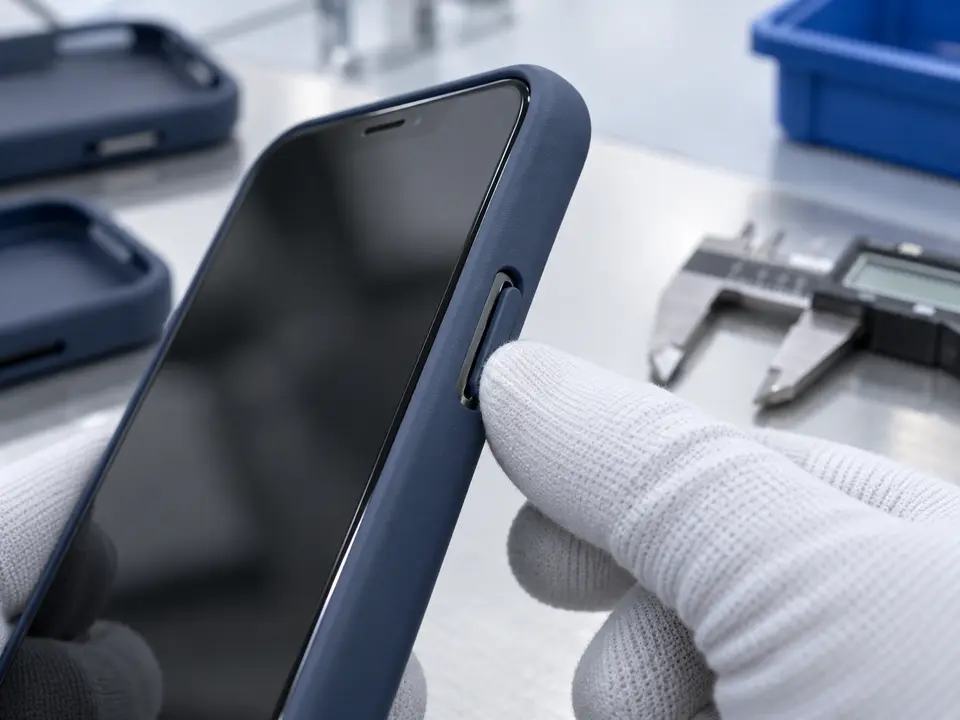
For a wholesale order, begin with the complete product description. Is the soft feel created by the base polymer, a coating, or both? Which material grade is used? Does the same formulation apply to every color? Ask how samples are assessed after handling, heat, humidity, and storage conditions relevant to the product.
Keep a reference sample from an approved batch. When complaints arrive, compare the affected cases with that sample and record where the stickiness appears. Look for differences in production lot, finish, color, and packaging date. A supplier can then investigate a specific part of the process instead of guessing from a photograph.
Be careful with absolute claims such as “never sticky.” A more useful promise describes the chosen material, the intended care, and the tests actually completed. Good records make it easier to improve a product if an issue appears later.
A Pleasant Feel Should Last
A case should remain comfortable through ordinary handling and suitable cleaning. When it begins to feel sticky, first rule out removable surface residue. Then consider the finish, the underlying material, and the conditions in which the case has been used or stored.
For users, the practical response is gentle cleaning and replacement if the surface continues to deteriorate. For brands, it is careful material selection, finished-product testing, and clear batch information. A soft case earns trust when its feel remains dependable after the first impression has worn off.